

Edge TV Canada – The Ultimate Streaming Platform
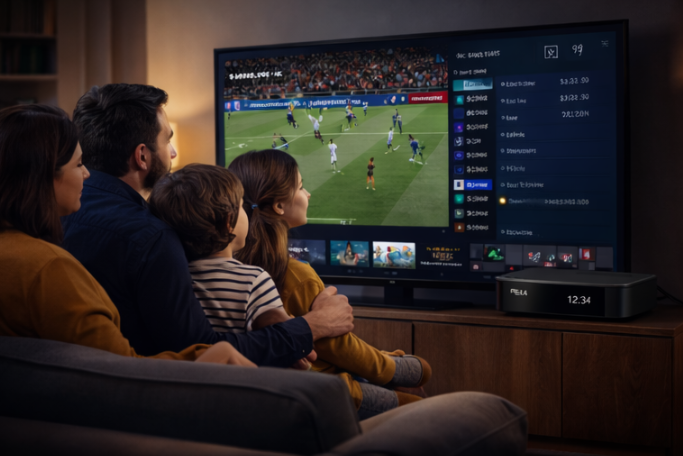
The term edge tv canada has been appearing more frequently in searches, forums, and discussions related to modern streaming. At first glance, it might sound like a specific service or brand, but from our experience, it usually reflects something broader: a search for better, more flexible television access in Canada.
Viewers using this term are rarely just browsing. They are often comparing options, questioning limitations of traditional services, or looking for ways to simplify how they access content across devices.
Why “Edge TV Canada” Is Gaining Attention
Streaming habits in Canada have changed significantly. Traditional cable packages no longer align with how many people watch TV today. Fixed schedules, limited channel bundles, and rising costs have pushed viewers to explore alternatives.
From our experience, people searching for edge tv canada are often motivated by:
-
the desire for more control over what they watch
-
frustration with fragmented streaming apps
-
interest in international and niche content
-
the need for reliable TV access across multiple devices
Rather than chasing a single channel or show, they are looking for a system that works consistently.
The Shift Away From Traditional TV Models
For years, television in Canada followed a predictable structure: cable, satellite, and fixed packages. Today, that structure feels increasingly restrictive.
Viewers now expect:
-
on-demand access
-
live TV without rigid contracts
-
compatibility with smart TVs and streaming devices
-
flexibility when traveling or relocating
From our experience, the rise of terms like edge tv canada reflects this shift away from provider-driven models toward viewer-driven experiences.

Streaming Is No Longer Just About Content
One important change we’ve observed is that viewers are no longer satisfied just knowing that content exists. They care deeply about how it is delivered.
Questions viewers now ask include:
-
Will it work smoothly on my TV?
-
Can I access everything from one place?
-
Is the quality consistent?
-
Do I need multiple subscriptions?
These questions often lead people to explore centralized streaming environments rather than isolated apps.
Why Canadian Viewers Want Centralized Access
Canada is a diverse country with diverse viewing preferences. Many households watch:
-
local Canadian channels
-
US networks
-
international content
-
sports from different regions
Managing all of this across separate platforms quickly becomes inconvenient. From our experience, this is why many viewers begin exploring IPTV-based setups that allow multiple content types to coexist in one environment.
At this stage, people often come across platforms like edgetv4k.ca, not through aggressive promotion, but because such platforms help explain how centralized streaming works and allow viewers to quietly test how it performs with their own internet connection and devices.
Edge TV Canada as a Viewing Concept
Rather than thinking of edge tv canada as a product, it’s more accurate to see it as a concept. It represents:
-
flexibility
-
independence from rigid TV packages
-
modern viewing habits
-
control over devices and schedules
From our experience, people using this term are usually already familiar with streaming. They are simply looking for a better version of it—one that feels closer to traditional TV in ease, but modern in capability.
The Importance of the TV Experience
Even though streaming began on computers and phones, most viewers still prefer the television as their primary screen.
Reasons include:
-
larger displays
-
better sound
-
shared viewing experiences
-
less distraction
This is why edge tv canada is often associated with setups that prioritize TV-based viewing rather than browser-based streaming.

Why Many Viewers Start With Testing
One recurring pattern we’ve noticed is hesitation. Viewers want improvement, but they don’t want risk.
That’s why test-based approaches have become popular. Being able to:
-
check stream stability
-
evaluate picture quality
-
see how a system works on a home TV
helps people make informed decisions. Many viewers explore platforms like edgetv4k.ca at this stage, simply to understand whether a centralized IPTV-style setup fits their needs before fully adopting it.
Edge TV Canada – Real-World Viewing, Technical Setups, and Everyday Expectations
In Part 1, we explored why the term edge tv canada has become more common and how it reflects a broader shift in how Canadians think about television. In this second part, we move from intention to practice—how people actually watch TV today, what setups they use, and what tends to shape satisfaction or frustration over time.
From our experience, the difference between an enjoyable streaming setup and a disappointing one rarely comes down to content availability. It almost always comes down to how that content is delivered and accessed day to day.
How Canadians Actually Watch TV Today
Despite the rise of mobile viewing, most Canadians still prefer watching TV on a large screen in their living room. Streaming may have changed delivery, but it hasn’t changed the desire for a comfortable, TV-first experience.
Typical viewing habits include:
-
live channels in the evening
-
on-demand content on weekends
-
sports and events watched in real time
-
shared viewing with family or friends
From our experience, systems that feel too “computer-based” often struggle to meet these expectations.
Why Browser Streaming Rarely Satisfies Long-Term
Many viewers initially rely on browser streaming because it’s familiar and requires no setup. Over time, however, common problems appear:
-
inconsistent picture quality
-
buffering during peak hours
-
limited compatibility with TVs
-
repeated logins or access issues
-
interruptions that break immersion
These issues are especially noticeable when watching live TV or longer programs. As a result, many people begin looking for alternatives that behave more like traditional television—just without the rigid structure.
The Role of Dedicated Streaming Devices
From our experience, viewers who move toward dedicated streaming devices tend to report higher satisfaction.
These devices offer:
-
smoother navigation
-
more stable playback
-
better performance during long sessions
-
easier control using a remote
Whether it’s a smart TV system or a separate streaming box, the key advantage is that the experience feels intentional rather than improvised.
Centralized Streaming Becomes the Natural Next Step
One of the most common realizations we see is this:
“I don’t want five apps and three subscriptions just to watch TV.”
This realization often leads viewers toward centralized streaming environments, where multiple types of content are accessible through a single interface.
Rather than searching for one channel or show at a time, people begin thinking in terms of systems. This is where IPTV-style setups enter the conversation—not as a trend, but as a practical solution to fragmentation.
Platforms such as edgetv4k.ca often appear at this stage, not because of aggressive outreach, but because they help explain how centralized streaming works in a Canadian context and allow viewers to quietly test how such a setup performs on their own internet connection and devices.
Picture and Audio Quality Matter More Than Expected
Another important shift we’ve noticed is how sensitive viewers have become to quality issues. What once seemed acceptable now feels distracting.
Common expectations now include:
-
consistent HD or better picture quality
-
stable audio without sync issues
-
minimal compression artifacts
-
reliable performance during peak hours
When these expectations aren’t met, frustration builds quickly—even if the content itself is appealing.
Flexibility Without Complexity
A major reason people explore edge tv canada options is the desire for flexibility without added complexity.
Viewers want to:
-
pause and resume easily
-
switch between devices
-
watch live or on-demand content
-
avoid constant reconfiguration
From our experience, this balance is difficult to achieve with app-based solutions alone. Broader streaming systems are better suited to support flexible viewing without feeling chaotic.
Testing Before Making It Part of Daily Life
One consistent pattern we’ve observed is caution. Viewers are open to new setups, but they prefer to test before committing.
Being able to:
-
evaluate stream stability
-
check compatibility with a specific TV
-
see how navigation feels
-
assess performance during busy hours
gives people confidence. This is often how viewers first engage with platforms like edgetv4k.ca—not as a final decision, but as a way to understand whether a centralized IPTV-style environment fits their viewing habits.
In Part 1, we explored why the term edge tv canada has become more common and how it reflects a broader shift in how Canadians think about television. In this second part, we move from intention to practice—how people actually watch TV today, what setups they use, and what tends to shape satisfaction or frustration over time.
From our experience, the difference between an enjoyable streaming setup and a disappointing one rarely comes down to content availability. It almost always comes down to how that content is delivered and accessed day to day.
How Canadians Actually Watch TV Today
Despite the rise of mobile viewing, most Canadians still prefer watching TV on a large screen in their living room. Streaming may have changed delivery, but it hasn’t changed the desire for a comfortable, TV-first experience.
Typical viewing habits include:
-
live channels in the evening
-
on-demand content on weekends
-
sports and events watched in real time
-
shared viewing with family or friends
From our experience, systems that feel too “computer-based” often struggle to meet these expectations.
Why Browser Streaming Rarely Satisfies Long-Term
Many viewers initially rely on browser streaming because it’s familiar and requires no setup. Over time, however, common problems appear:
-
inconsistent picture quality
-
buffering during peak hours
-
limited compatibility with TVs
-
repeated logins or access issues
-
interruptions that break immersion
These issues are especially noticeable when watching live TV or longer programs. As a result, many people begin looking for alternatives that behave more like traditional television—just without the rigid structure.
The Role of Dedicated Streaming Devices
From our experience, viewers who move toward dedicated streaming devices tend to report higher satisfaction.
These devices offer:
-
smoother navigation
-
more stable playback
-
better performance during long sessions
-
easier control using a remote
Whether it’s a smart TV system or a separate streaming box, the key advantage is that the experience feels intentional rather than improvised.

Centralized Streaming Becomes the Natural Next Step
One of the most common realizations we see is this:
“I don’t want five apps and three subscriptions just to watch TV.”
This realization often leads viewers toward centralized streaming environments, where multiple types of content are accessible through a single interface.
Rather than searching for one channel or show at a time, people begin thinking in terms of systems. This is where IPTV-style setups enter the conversation—not as a trend, but as a practical solution to fragmentation.
Platforms such as edgetv4k.ca often appear at this stage, not because of aggressive outreach, but because they help explain how centralized streaming works in a Canadian context and allow viewers to quietly test how such a setup performs on their own internet connection and devices.
Picture and Audio Quality Matter More Than Expected
Another important shift we’ve noticed is how sensitive viewers have become to quality issues. What once seemed acceptable now feels distracting.
Common expectations now include:
-
consistent HD or better picture quality
-
stable audio without sync issues
-
minimal compression artifacts
-
reliable performance during peak hours
When these expectations aren’t met, frustration builds quickly—even if the content itself is appealing.
Flexibility Without Complexity
A major reason people explore edge tv canada options is the desire for flexibility without added complexity.
Viewers want to:
-
pause and resume easily
-
switch between devices
-
watch live or on-demand content
-
avoid constant reconfiguration
From our experience, this balance is difficult to achieve with app-based solutions alone. Broader streaming systems are better suited to support flexible viewing without feeling chaotic.
Testing Before Making It Part of Daily Life
One consistent pattern we’ve observed is caution. Viewers are open to new setups, but they prefer to test before committing.
Being able to:
-
evaluate stream stability
-
check compatibility with a specific TV
-
see how navigation feels
-
assess performance during busy hours
gives people confidence. This is often how viewers first engage with platforms like edgetv4k.ca—not as a final decision, but as a way to understand whether a centralized IPTV-style environment fits their viewing habits.
Edge TV Canada – Long-Term Viewing, Responsibility, and the Bigger Picture
In the first two parts, we looked at why the term edge tv canada continues to gain attention and how real-world viewing habits in Canada are shaping the way people think about television. In this final part, we step back and focus on long-term behavior, responsibility, and what viewers ultimately expect once streaming becomes part of everyday life.
Everything here is based on observation and experience, not theory.
Streaming as a Long-Term Habit, Not a Short-Term Choice
For most viewers, television is no longer something they “set up once and forget.” It has become a daily habit. That changes priorities.
Over time, viewers care less about novelty and more about:
-
consistency
-
predictability
-
ease of access
-
minimal maintenance
From our experience, this is why people searching for edge tv canada are often already past the experimentation phase. They know what they like to watch. What they want now is a system that doesn’t get in the way.
How Expectations Evolve Over Time
When people first move away from traditional TV, they often tolerate imperfections. Buffering, occasional outages, or awkward interfaces seem acceptable at first.
Over time, tolerance fades.
Long-term viewers expect:
-
stable performance every evening
-
no surprises during live events
-
interfaces that feel familiar
-
setups that work the same way every day
This gradual shift explains why many viewers eventually rethink their approach to streaming—not because something is broken, but because it no longer feels sustainable.
Responsibility and Awareness in Modern Streaming
Streaming today offers enormous freedom, but that freedom comes with responsibility. From our experience, viewers increasingly want to understand:
-
how their streaming setup works
-
whether it fits their household’s needs
-
how stable it is over time
-
whether it can be trusted as part of daily life
This doesn’t mean viewers want complexity. In fact, the opposite is true. They want solutions that are transparent, predictable, and quietly reliable.
Why Centralized Systems Make Sense Long-Term
One clear pattern emerges with long-term use:
The more content someone watches, the less they want to manage it.
Viewers naturally gravitate toward systems that:
-
combine multiple content types
-
use a single interface
-
behave consistently across devices
-
feel closer to traditional TV, but without the restrictions
This is often when IPTV-based environments enter the picture—not as a trend, but as a practical evolution of how people already watch television.
Platforms such as edgetv4k.ca are typically explored at this stage, not because viewers are looking for something new to watch, but because they want to see whether a centralized system can quietly support their habits. Being able to test such an environment first plays a key role in that decision.
Testing Before Committing Becomes the Norm
Another strong trend we’ve observed is a preference for testing. Viewers no longer want to commit based on descriptions alone.
They want to:
-
see how a system performs on their internet connection
-
check quality on their own TV
-
experience navigation firsthand
-
observe reliability during peak hours
This approach reduces uncertainty and allows people to decide based on experience rather than assumption.
Edge TV Canada in the Broader Canadian Context
Canada’s viewing landscape is unique. Many households combine:
-
Canadian channels
-
US programming
-
international content
-
live sports and events
Managing this variety across separate platforms quickly becomes tiring. From our experience, edge tv canada represents a desire to simplify without sacrificing access.
It’s less about replacing traditional TV entirely and more about modernizing it in a way that fits today’s expectations.
Where Streaming Is Headed
Looking ahead, the direction of streaming in Canada seems clear:
-
fewer fragmented services
-
more unified viewing environments
-
stronger focus on TV-first experiences
-
less tolerance for instability
Viewers want technology to disappear into the background. The best systems are the ones that don’t demand attention.
Additional features and inspiration
An IPTV box is more than just a way to watch TV. Many people also use their box to discover new movies and series. For example, if you browse imdb for a list of popular movies, you can easily choose something to stream later. Platforms like themoviedb.org also regularly provide comprehensive reviews of streaming devices, picture quality, and hardware performance. This helps you determine which box best suits your needs, especially if you’re torn between several models.
Using such platforms makes it easier to decide which features are relevant—think 4K support, HDR playback, storage options, or even gaming capabilities on certain boxes.
Final Thoughts
The growing interest in edge tv canada is not driven by hype or trends. It reflects a practical shift in how Canadians think about television.
From our experience, people searching for this term are:
-
looking for reliability
-
tired of fragmentation
-
focused on long-term use
-
interested in testing before committing
They are not chasing content. They are refining their viewing experience.
Exploring centralized streaming environments—and quietly testing how they perform at home—has become a natural next step for many.
#Edge TV Canada #Edge TV Canada #Edge TV Canada #Edge TV Canada #Edge TV Canada #Edge TV Canada #Edge TV Canada #Edge TV Canada #Edge TV Canada #Edge TV Canada #Edge TV Canada #Edge TV Canada #Edge TV Canada