
Edge IPTV – The Ultimate All in One IPTV Platform
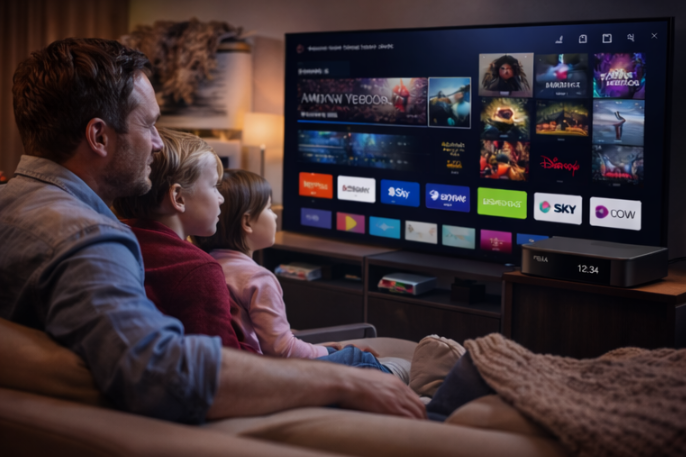
The term edge iptv has been appearing more frequently in conversations about modern television and streaming. From our experience, people using this phrase are not searching for a technical definition. They are usually trying to describe a type of IPTV experience that feels more reliable, more flexible, and closer to real television than what they are currently using.
In many cases, the term is also casually associated with edge tv, not as a strict label, but as a way of describing a viewing setup that feels modern, streamlined, and dependable.
Why “Edge IPTV” Is Being Searched More Often
Streaming has reached a point where availability alone is no longer impressive. Most viewers already have access to content. What they struggle with is how that content is delivered.
From our experience, people searching for edge iptv are often motivated by:
-
inconsistent live TV performance
-
unreliable sports streams
-
juggling too many apps
-
quality drops during peak hours
-
frustration with browser-based viewing
They are not chasing novelty. They are looking for stability and control.
Edge IPTV as a Viewing Concept, Not a Product
It’s helpful to think of edge iptv as a concept rather than a single service. It reflects a mindset where viewers want:
-
live TV that works every day
-
sports streams they can rely on
-
one interface instead of many
-
TV-first experiences, not browser workarounds
In casual conversation, this idea is often shortened to edge tv, meaning a setup that feels efficient, modern, and built around real viewing habits rather than limitations.

The Shift Away From Fragmented Streaming
One of the strongest patterns we’ve observed is fatigue. Viewers are tired of:
-
switching between platforms
-
remembering multiple logins
-
dealing with inconsistent quality
-
discovering that live sports don’t work when it matters
This fatigue is often what leads people to explore IPTV more seriously. Edge iptv, in this sense, represents a step away from fragmented solutions toward something more unified.
Live TV and Sports Drive Expectations
Live content—especially sports—is where streaming setups are truly tested.
Viewers expect:
-
minimal delay
-
no buffering during key moments
-
consistent picture quality
-
reliable access every time
From our experience, many people only begin searching for edge iptv after repeated disappointments during live games or major events. On-demand content can hide flaws. Live sports cannot.
Why Browser Streaming No Longer Feels Enough
Browser-based streaming may work in the short term, but it often fails to meet long-term expectations.
Common issues include:
-
unstable playback
-
poor performance on large screens
-
interruptions and distractions
-
inconsistent behavior across devices
This naturally pushes viewers toward IPTV setups designed for televisions and longer viewing sessions—systems that feel closer to traditional TV, but without its rigidity.
TV-First Viewing Still Matters
Despite the growth of mobile viewing, most households still prefer the television as their primary screen.
Reasons include:
-
larger displays
-
better sound
-
shared viewing experiences
-
comfort and familiarity
Edge iptv is often associated with setups that prioritize the TV experience rather than treating television as an afterthought.
Centralized IPTV Environments Gain Attention
As expectations grow, viewers begin asking practical questions:
-
Why does quality change between platforms?
-
Why can’t live TV, sports, and shows work together?
-
Why does everything feel so inconsistent?
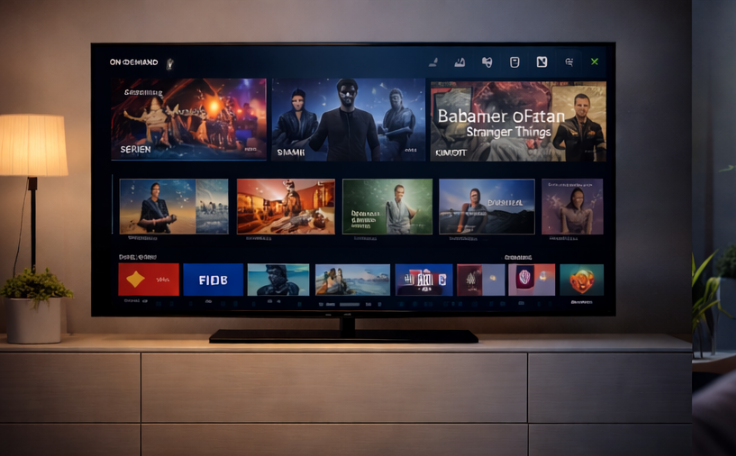
This is often when centralized IPTV environments come into focus. Platforms like edgetv4k.ca are typically explored at this stage—not through aggressive promotion, but because they help people understand how IPTV works in real conditions and allow them to quietly test performance on their own devices before making it part of their routine.
Testing Before Committing Feels Necessary
A recurring theme we see is caution. Viewers want improvement, but they don’t want to repeat past mistakes.
They prefer to:
-
test stream stability
-
check live TV performance
-
evaluate sports reliability
-
see how IPTV behaves on their main TV
This test-first approach has become a normal step in how people evaluate IPTV solutions today.
Edge IPTV – Real-World Performance, Live Sports, and Everyday Use
we explored why the term edge iptv has gained attention and how it represents a desire for more stable, TV-focused streaming. In this second part, we move into real-world usage—how edge IPTV setups perform day to day, how live TV and sports shape expectations, and what viewers notice once IPTV becomes part of their routine.
From our experience, the difference between a satisfying IPTV setup and a frustrating one becomes clear very quickly.
How Edge IPTV Fits Into Daily Viewing
Once IPTV is used regularly, it stops being a novelty and starts behaving like a utility. It’s turned on without thinking, relied on for live events, and expected to work consistently.
Typical daily use includes:
-
live TV in the evenings
-
sports during peak hours
-
on-demand content when time allows
-
shared viewing on the main household TV
From our experience, edge iptv setups are valued because they reduce friction. Viewers don’t want to troubleshoot—they want to watch.
Live TV as the First Real Test
Live television exposes weaknesses faster than any other type of content.
Viewers expect:
-
instant channel loading
-
smooth playback
-
no buffering during news or live events
-
consistent picture quality
Many people begin associating the idea of edge tv with IPTV setups that handle live content calmly and predictably, without sudden drops in quality or performance.
Sports Raise Expectations Even Higher
Sports streaming is often the moment when viewers reassess their setup.
From our experience, sports viewers prioritize:
-
minimal delay
-
uninterrupted streams
-
stable performance during peak traffic
-
reliable access every time
It’s common for people to explore edge iptv options only after traditional streaming platforms or browser-based solutions fail during important games.
TV-Based IPTV vs. Browser Streaming
One of the biggest differences in satisfaction comes from how IPTV is accessed.
Browser streaming often leads to:
-
inconsistent quality
-
interruptions
-
limited TV compatibility
-
distractions during live viewing
TV-based IPTV environments, on the other hand, are designed for long sessions and shared viewing. This is why many viewers associate edge iptv—or casually, edge tv—with setups that feel closer to traditional television, just without the rigid limitations.
Dedicated Devices Improve Stability
From our experience, IPTV setups using dedicated devices or smart TV systems perform more reliably over time.
Benefits include:
-
smoother navigation
-
faster channel switching
-
more consistent performance
-
easier control with a remote
These details become especially important during live sports and prime-time viewing.
Centralized IPTV Feels More Natural Over Time
As viewing habits mature, people grow tired of managing multiple apps and subscriptions.
They begin asking:
-
Why does quality change between platforms?
-
Why do live TV and sports behave differently?
-
Why does everything feel fragmented?
This is where centralized IPTV environments come into focus. Platforms such as edgetv4k.ca are often explored at this stage—not because viewers are chasing features, but because they want to see whether an edge IPTV-style setup can work consistently on their own internet connection and devices. Testing performance quietly becomes part of the evaluation process.
Consistency Matters More Than Features
One pattern we see repeatedly is that viewers stop caring about extras once IPTV becomes part of daily life.
What matters instead:
-
the stream works every evening
-
sports don’t fail when it matters
-
quality stays consistent
-
the system behaves predictably
This is why edge iptv is often associated with reliability rather than novelty.
Why Testing IPTV Is a Smart Step
A cautious approach has become the norm. Viewers want proof before commitment.
They want to:
-
test stream stability
-
evaluate sports performance
-
see how IPTV behaves during peak hours
-
confirm it works well on their TV
This test-first mindset is now a standard part of how people assess IPTV solutions.
Edge IPTV – Long-Term Trust, Responsibility, and the Viewing Experience That Lasts
we explored what people usually mean when they talk about edge iptv and how real-world performance—especially live TV and sports—shapes expectations. In this final part, we step back and look at the long-term picture: how trust is built, why responsibility matters, and what viewers ultimately value once IPTV becomes part of everyday life.
Everything here reflects long-term observation and real usage patterns.

Edge IPTV Becomes a Daily Utility
When IPTV works well, it stops feeling like a service and starts feeling like a utility. It’s turned on without thought, used consistently, and relied on during important moments.
Over time, viewers care less about:
-
how many channels are available
-
extra features they rarely use
And more about:
-
stability
-
predictability
-
ease of use
-
minimal interruptions
From our experience, people who gravitate toward edge iptv are not chasing innovation. They are seeking something that simply works every day.
How Trust Is Built Over Time
Trust in IPTV isn’t established on day one. It develops through repeated, reliable experiences.
Viewers begin to trust a setup when:
-
live TV works night after night
-
sports streams don’t fail during key moments
-
picture quality stays consistent
-
navigation remains familiar
This is why the idea of edge tv often becomes associated with IPTV setups that feel calm and dependable rather than flashy or experimental.
Responsibility and Awareness in IPTV Use
IPTV offers flexibility, but it also requires awareness. From our experience, viewers increasingly want to understand:
-
whether their IPTV setup fits their internet connection
-
how it performs during peak hours
-
whether it can handle live sports reliably
-
how stable it is over time
This doesn’t mean users want complexity. In fact, they prefer IPTV environments that quietly handle the technical details while delivering consistent performance.
Why Centralized IPTV Makes Sense Long-Term
One pattern becomes clear with extended use:
The more someone watches live TV and sports, the less they want to manage multiple platforms.
Viewers naturally gravitate toward centralized IPTV systems that:
-
combine live TV, sports, and general streaming
-
use a single interface
-
work consistently across devices
-
feel closer to traditional television, without its limitations
This is often when people explore platforms like edgetv4k.ca—not because they are searching for something new to watch, but because they want to see whether an edge IPTV-style setup can support their viewing habits reliably. The ability to test such a system first plays an important role in building confidence.
Testing Becomes Part of the Decision Process
A strong trend we’ve observed is the preference for testing before fully committing.
Viewers want to:
-
check stream stability
-
evaluate sports performance
-
observe behavior during busy hours
-
confirm compatibility with their TV
This test-first approach helps ensure that IPTV near them truly fits their environment and expectations.
Edge IPTV in a Broader Viewing Context
The idea of edge iptv represents a broader change in how people approach television.
It reflects:
-
a shift away from fragmented platforms
-
a preference for TV-first experiences
-
higher expectations for live content
-
a demand for consistency over novelty
In everyday conversation, this is often shortened to edge tv, meaning a setup that feels modern, reliable, and built around real viewing habits.
Where Edge IPTV Is Headed
Looking ahead, the direction is clear:
-
greater emphasis on live TV reliability
-
stronger handling of sports content
-
centralized, predictable IPTV environments
-
lower tolerance for instability
Viewers want technology to fade into the background. The best IPTV systems are the ones you stop thinking about once they’re set up.
Additional features and inspiration
An IPTV box is more than just a way to watch TV. Many people also use their box to discover new movies and series. For example, if you browse IMDB for a list of popular movies, you can easily choose something to stream later. Platforms like themoviedb.org also regularly provide comprehensive reviews of streaming devices, picture quality, and hardware performance. This helps you determine which box best suits your needs, especially if you’re torn between several models.
Using such platforms makes it easier to decide which features are relevant—think 4K support, HDR playback, storage options, or even gaming capabilities on certain boxes.
Final Thoughts
The growing interest in edge iptv reflects a practical, experience-driven shift in how people consume television.
From our experience, viewers drawn to this idea are:
-
focused on long-term reliability
-
particularly attentive to sports and live TV
-
tired of unstable or fragmented setups
-
interested in testing before trusting
They are not chasing trends. They are refining their viewing experience.
Exploring centralized IPTV environments—and quietly testing how they perform at home—has become a natural next step for many viewers.