
IPTV Service – The Best IPTV Service in Canada
The term iptv service is most often used by viewers who already understand streaming and are no longer experimenting casually. From our experience, people searching for this phrase have reached a point where they want reliability more than variety and consistency more than excitement.
Choosing an IPTV service today is not about what looks impressive at first glance—it’s about what continues to work quietly, day after day.
Why IPTV Service Has Become a Serious Decision
Streaming has matured, and so have viewer expectations. What once felt innovative is now considered basic.
From our experience, people evaluating an IPTV service are often motivated by:
-
unreliable live TV
-
sports streams failing during key moments
-
inconsistent picture quality
-
managing too many platforms
-
frustration with browser-based solutions
They are no longer asking what is available. They are asking what can be trusted.

IPTV Service as Part of Daily Life
Once IPTV becomes the primary way television is watched, it stops being a trial and starts becoming infrastructure.
Viewers expect:
-
live TV that works every evening
-
sports that stream smoothly
-
familiar navigation
-
predictable behavior
From our experience, people searching for a better iptv service are not chasing trends. They are looking for something that blends naturally into their routine.
This is often where the idea of edge tv appears—used to describe an IPTV experience that feels stable, refined, and built around real viewing habits.
Live TV Is Still the First Benchmark
Live television remains the foundation of how any IPTV service is judged.
Viewers expect:
-
fast channel loading
-
smooth playback
-
consistent quality throughout the evening
-
no unexpected interruptions
If live TV struggles, confidence in the entire service fades quickly, regardless of how strong other features may appear.
Sports Reveal the True Strength of an IPTV Service
Sports place the highest demands on any IPTV service.
From our experience, sports viewers pay close attention to:
-
stream stability during peak hours
-
minimal delay during live action
-
quality that does not fluctuate
-
reliability during important events
Many viewers only begin searching for a new iptv service after repeated sports-related disappointments elsewhere.
Why Browser Streaming Often Falls Short
Browser-based streaming may work temporarily, but it rarely satisfies long-term needs.
Common issues include:
-
unstable playback
-
reduced quality on large screens
-
interruptions during live content
-
inconsistent performance
This naturally pushes viewers toward IPTV environments designed for television-first use—systems that feel closer to traditional TV while offering flexibility. In everyday conversation, this experience is often described as edge tv.
TV-First Viewing Still Defines Satisfaction
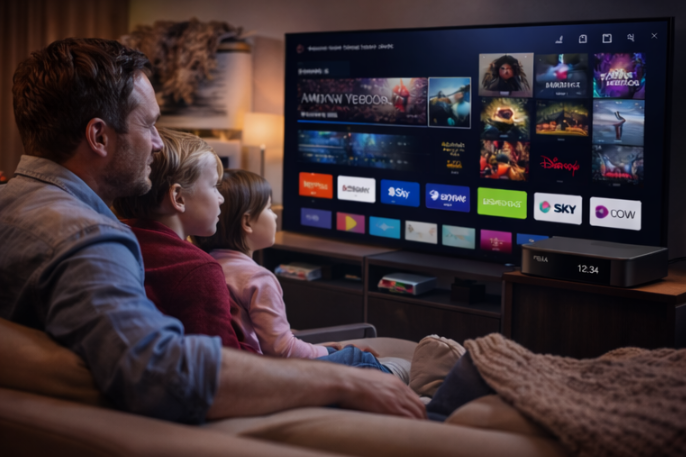
Despite mobile convenience, most households still judge an IPTV service by how it performs on a television.
Reasons include:
-
larger screens
-
better audio
-
shared viewing experiences
-
comfort and familiarity
IPTV services that prioritize TV-based viewing tend to earn higher long-term satisfaction.
Centralized IPTV Feels Like the Natural Step
As viewing habits mature, viewers grow tired of managing multiple apps.
They begin asking:
-
Why does quality vary between platforms?
-
Why do live TV and sports behave differently?
-
Why can’t everything work together?
From our experience, these questions often lead people to explore centralized IPTV environments. Platforms like edgetv4k.ca are typically explored at this stage—not because of promotion, but because they allow viewers to understand how an IPTV service performs in real conditions and to quietly test whether it fits their setup before relying on it daily.
Testing Before Trusting Is Now Common
A consistent trend we’ve observed is caution.
Viewers want to:
-
test live TV stability
-
evaluate sports performance
-
observe quality during peak hours
-
confirm compatibility with their main TV
This test-first mindset plays a major role in choosing an IPTV service today.
IPTV Service – Real-World Performance and Everyday Viewing Experience
we explored why choosing an iptv service has become a more thoughtful decision and how reliability now outweighs novelty. In this second part, we focus on what truly matters once IPTV becomes part of daily life—real-world performance, routine use, and how expectations quickly shift after the initial setup.
From our experience, IPTV proves its value not in the first hour, but over weeks of consistent use.
How IPTV Service Fits Into Daily Routines
Once IPTV becomes the main way television is watched, it is expected to work without effort. Viewers turn on the TV and expect everything to behave as it did the day before.
Typical daily usage includes:
-
live TV during weekday evenings
-
sports events during peak hours
-
casual viewing after work
-
shared viewing in family spaces
From our experience, an IPTV service that disrupts these routines—even occasionally—quickly loses trust.
Live TV Is the Daily Standard
Live television remains the strongest indicator of IPTV service quality.
Viewers expect:
-
quick channel loading
-
smooth, uninterrupted playback
-
stable picture quality throughout the evening
-
predictable behavior day after day
If live TV struggles, even briefly, viewers begin questioning the reliability of the entire service.
Sports Streaming Raises Expectations
Sports place higher demands on any IPTV service than almost any other type of content.
From our experience, sports viewers closely watch for:
-
minimal delay
-
uninterrupted streams
-
stable quality during peak traffic
-
reliability during important moments
Many viewers only begin searching for a new iptv service after repeated sports-related frustrations elsewhere.
TV-Based IPTV vs Browser Streaming
One major difference in satisfaction comes from how IPTV is accessed.
Browser-based streaming often leads to:
-
inconsistent playback
-
reduced quality on large screens
-
interruptions during live content
-
distractions that break immersion
TV-based IPTV environments are built for longer sessions and shared viewing. This is why many people casually describe a smooth IPTV setup as feeling like edge tv—calm, stable, and designed for real television use.
Device Compatibility Shapes Long-Term Satisfaction
From our experience, IPTV services that perform consistently across devices feel far more dependable.
Viewers commonly use:
-
smart TVs
-
dedicated streaming devices
-
media players
-
secondary screens for occasional viewing
When performance remains stable across these, confidence grows and daily use feels effortless.
Navigation and Speed Matter More Over Time
What seems minor at first becomes important with daily use.
Viewers value:
-
fast channel switching
-
clear menus
-
easy access to favorites
-
smooth overall responsiveness
An IPTV service that feels slow or cluttered gradually becomes frustrating, even if content availability is strong.
Centralized IPTV Simplifies Daily Viewing
As streaming habits mature, viewers grow tired of switching between platforms.
They begin asking:
-
Why does quality vary between apps?
-
Why do live TV and sports behave differently?
-
Why isn’t everything accessible in one place?
From our experience, these questions often lead viewers toward centralized IPTV environments. Platforms such as edgetv4k.ca are commonly explored at this stage—not through promotion, but because they allow viewers to quietly evaluate how an IPTV service performs in real conditions and to test whether it fits their everyday viewing needs.
Consistency Is What Keeps an IPTV Service
One clear pattern we’ve observed is that once IPTV becomes part of daily life, extra features lose importance.
What matters instead:
-
the service works every evening
-
sports streams remain reliable
-
quality stays consistent
-
the system behaves predictably
This consistency is what separates a short-term IPTV service from one viewers rely on long term.
Why Testing IPTV Services Is Now Standard
A cautious approach has become the norm.
Viewers prefer to:
-
test live TV stability
-
evaluate sports performance
-
observe behavior during peak hours
-
confirm compatibility with their TV
This test-first mindset helps viewers avoid repeated frustration and make confident decisions.
IPTV Service – Long-Term Trust, Stability, and What Viewers Ultimately Choose
we explored how people evaluate an iptv service and what determines satisfaction in everyday use. In this final part, we step back to look at the long-term picture—how IPTV fits into daily life over months and years, how trust is built gradually, and why some services remain in use while others are quietly replaced.
Everything here reflects long-term observation and real viewing habits.
When an IPTV Service Becomes Invisible
The most reliable IPTV service is the one viewers stop thinking about. When everything works as expected, there’s no need to troubleshoot, compare, or adjust.
Over time, viewers care less about:
-
frequent updates
-
new features
-
short-term advantages
And far more about:
-
reliability every evening
-
sports streams that don’t fail
-
familiar navigation
-
predictable performance
From our experience, people searching for an IPTV service are usually at this stage. They are no longer exploring options—they are choosing stability.
How Long-Term Trust Is Built
Trust in an IPTV service is not created instantly. It develops through consistency.
Viewers begin to trust a service when:
-
live TV works night after night
-
sports streams remain stable during key moments
-
picture and sound quality stay consistent
-
nothing unexpected happens during peak hours
This is why many viewers describe a dependable IPTV setup as feeling like edge tv—not as a product label, but as a way of expressing calm, modern reliability.
Responsibility and Awareness Over Time
With long-term use comes awareness. From our experience, viewers gradually understand:
-
how their internet connection affects performance
-
when peak hours matter most
-
what type of setup fits their household
-
why some IPTV services hold up better than others
This doesn’t mean users want complexity. In fact, they prefer IPTV services that quietly handle technical demands while delivering a smooth experience.
Why Centralized IPTV Earns Long-Term Loyalty
One clear pattern emerges with extended use:
The more live TV and sports someone watches, the less they want to manage multiple platforms.
Viewers naturally gravitate toward IPTV services that:
-
combine live TV, sports, and general streaming
-
offer a single, consistent interface
-
behave predictably across devices
-
feel closer to traditional television, without the limitations
This is often when people explore platforms like edgetv4k.ca—not because they are chasing something new, but because they want to see whether a centralized IPTV environment can quietly support their viewing habits. The ability to test such an experience first plays an important role in building confidence.
Testing Becomes Part of Staying Confident
A strong trend we’ve observed is that testing is no longer a one-time step—it’s part of how viewers maintain trust.
They want to:
-
verify live TV stability
-
evaluate sports performance
-
observe quality during peak hours
-
confirm ongoing compatibility with their TV
This ongoing evaluation helps viewers feel confident that their IPTV service will continue to meet expectations.
IPTV Service in a Broader Viewing Context
The phrase iptv service reflects a broader shift in how people think about television.
Viewers are no longer impressed by access alone. They value:
-
reliability over quantity
-
consistency over novelty
-
systems that fit real routines
In everyday conversation, this often overlaps with how people describe edge tv—a shorthand for IPTV that feels refined, dependable, and built around real viewing habits.
Where IPTV Services Are Headed
Looking ahead, the direction is clear:
-
stronger focus on live TV reliability
-
higher expectations for sports streaming
-
centralized, TV-first IPTV environments
-
lower tolerance for instability
Viewers want technology to fade into the background. The best IPTV services are the ones you stop thinking about once everything is set up.
Additional features and inspiration
An IPTV box is more than just a way to watch TV. Many people also use their box to discover new movies and series. For example, if you browse IMDB for a list of popular movies, you can easily choose something to stream later. Platforms like themoviedb.org also regularly provide comprehensive reviews of streaming devices, picture quality, and hardware performance. This helps you determine which box best suits your needs, especially if you’re torn between several models.
Using such platforms makes it easier to decide which features are relevant—think 4K support, HDR playback, storage options, or even gaming capabilities on certain boxes.
Final Thoughts
The growing interest in iptv service reflects a mature, experience-driven mindset.
From our experience, viewers searching for this term are:
-
focused on long-term reliability
-
especially attentive to live TV and sports
-
tired of fragmented or unstable setups
-
interested in testing before trusting
They are not chasing trends. They are refining how they watch television.
Exploring centralized IPTV environments—and quietly testing how they perform at home—has become a natural next step for many viewers.